Machine Vision
Industry: Manufacturing · Application: Quality Control & Process Automation · Technology: Machine Vision + ML/AI Models
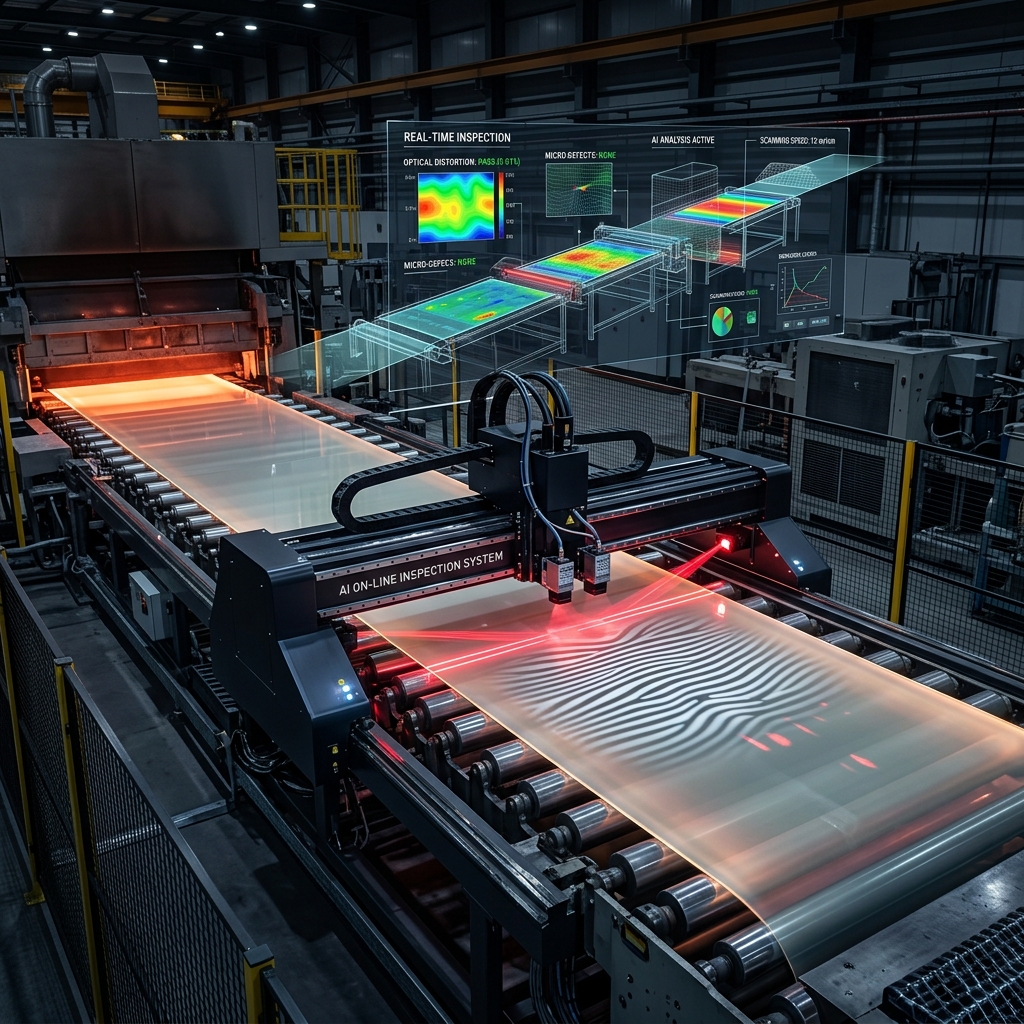
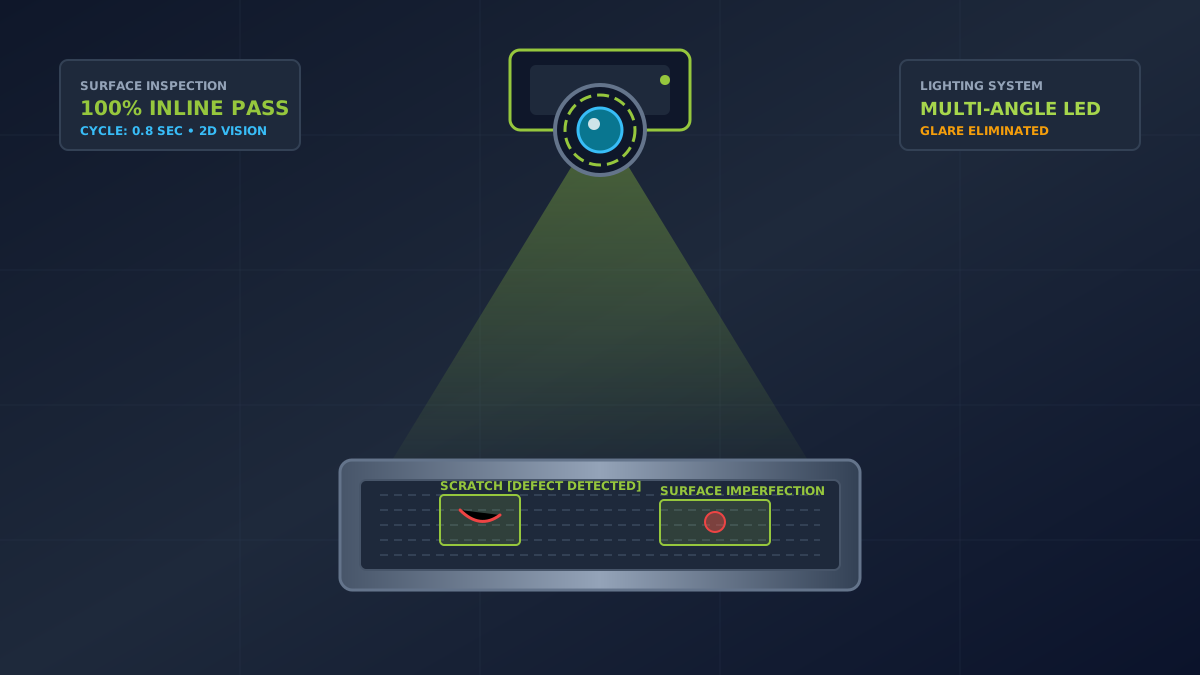
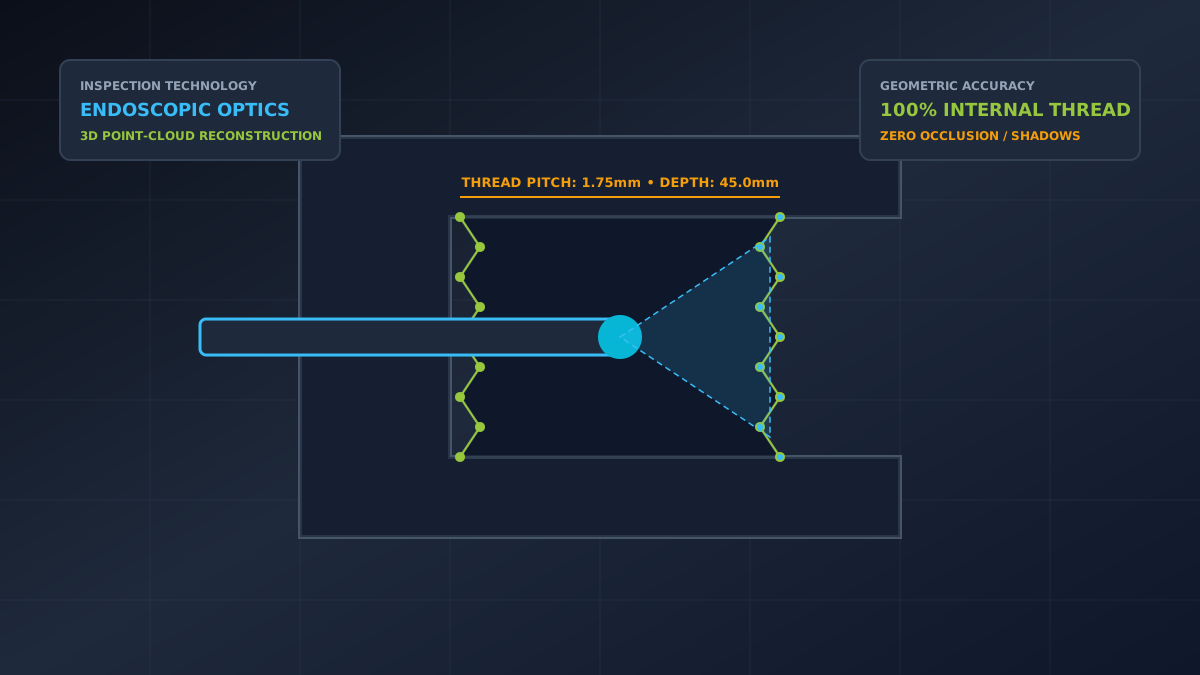
In the modern industrial landscape, Machine Vision is often misunderstood as a standalone gadget—a high-tech camera perched above a conveyor belt. In reality, machine vision is not an end unto itself. It is a critical sensory organ in the vast universe of manufacturing and quality control, leveraging advanced video image processing to feed raw data into broader ML/AI ecosystems that turn visual inputs into intelligent, automated decisions.
For executive leadership, the stakes couldn’t be higher. Quality control is no longer a task to be delegated; it is a fundamental driver of the bottom line. To remain competitive, quality assurance must be a "built-in" function, totally integrated into the design and production lifecycle. The computer—and specifically the data it processes—is the bridge to this integration.
While the cameras and sensors are impressive, hardware alone should never be the primary consideration. The true value lies in the transition from Image to Data—a process maximized by ML/AI models that analyse, learn from, and act on that data in real time.
Machine vision systems serve as the foundation for Computer Integrated Manufacturing (CIM). Backed by ML/AI intelligence, they tie together a company’s most vital resources: its people, its equipment, and its facilities (Man, Machine, Method).
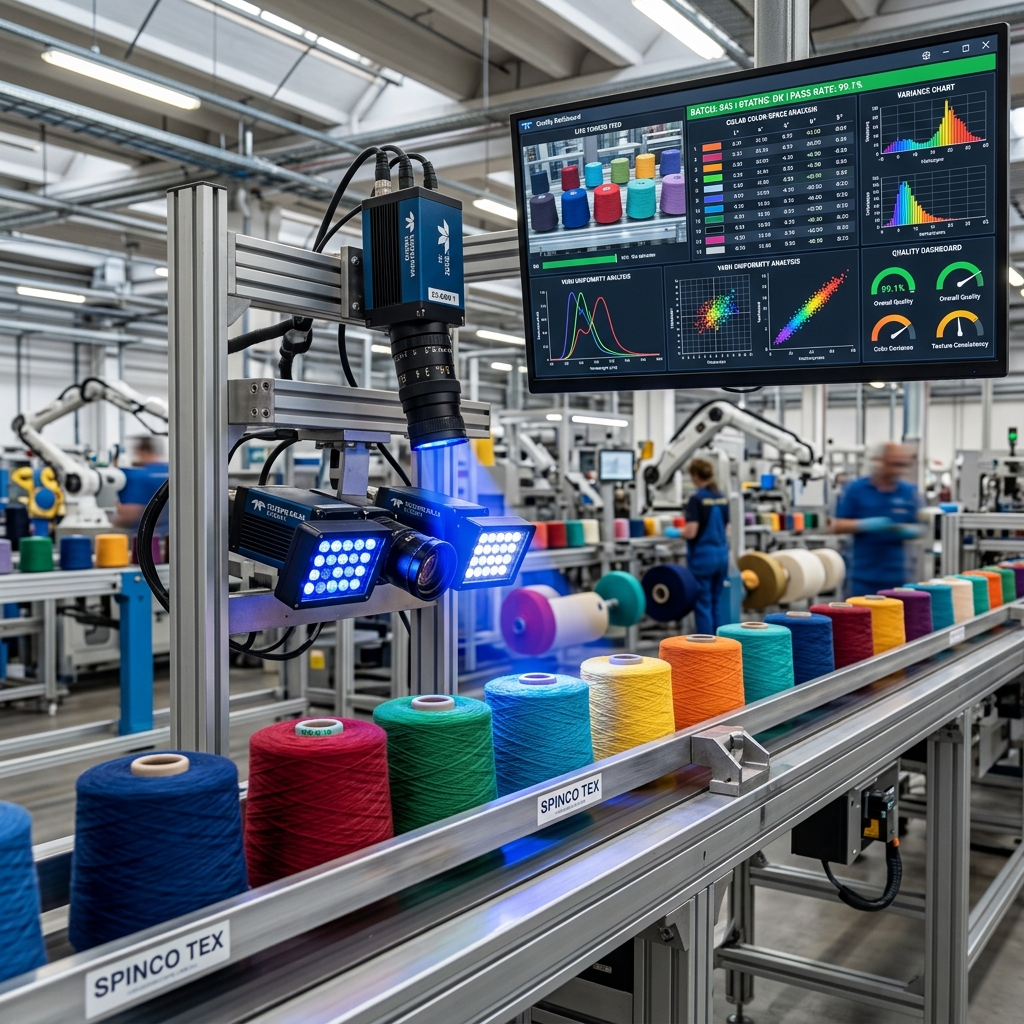
Figure 1: Automated Color-Space Camera System inspecting textile yarn packages for shade variations in real time.
To understand the power of this technology, look no further than the global Textile Yarn Market. In an increasingly competitive landscape, quality is the only prerequisite for survival.
For yarn manufacturers, Shade Variation—both package-to-package and within a single package—is a persistent technical nightmare. When these dyed yarns are woven into solid-color fabrics, even a slight depth-of-shade variation results in unlevel coloring across the fabric.
By implementing machine vision at the inspection stage, manufacturers can identify shade variations with a level of precision the human eye cannot match:
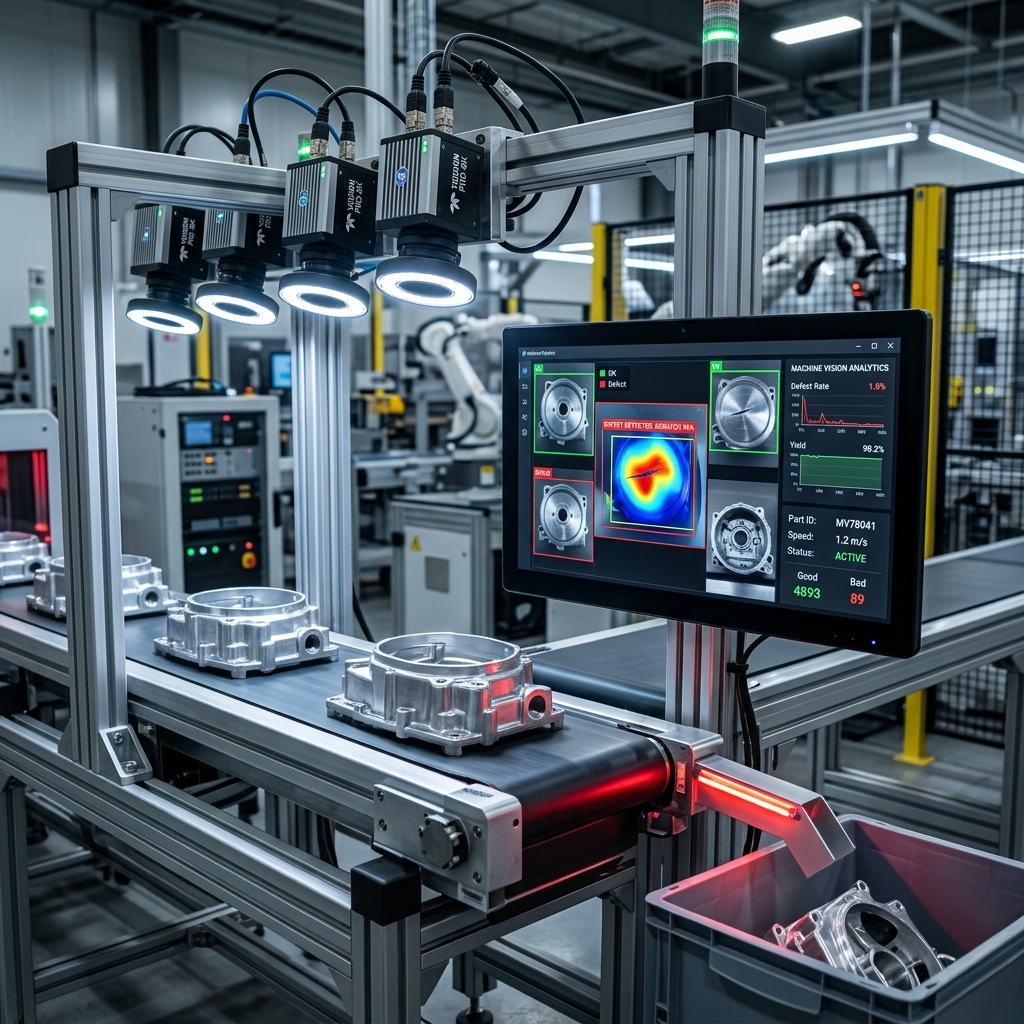
Sophisticated manufacturing requires automated inspection to guarantee quality. From incoming receiving and forming to assembly and shipping, machine vision—powered by advanced ML/AI—is the key to a zero-defect strategy.
By shifting the focus from "buying a camera" to "architecting an ML/AI-driven process," enterprises can transform their quality control from a cost center into a sustainable market advantage.